
A few neighbours and friends have asked us lately for advice about solar panels, house…
 FB
FB
…battery, EVs etc. Here’s our real life experience, starting a series of posts on different topics.
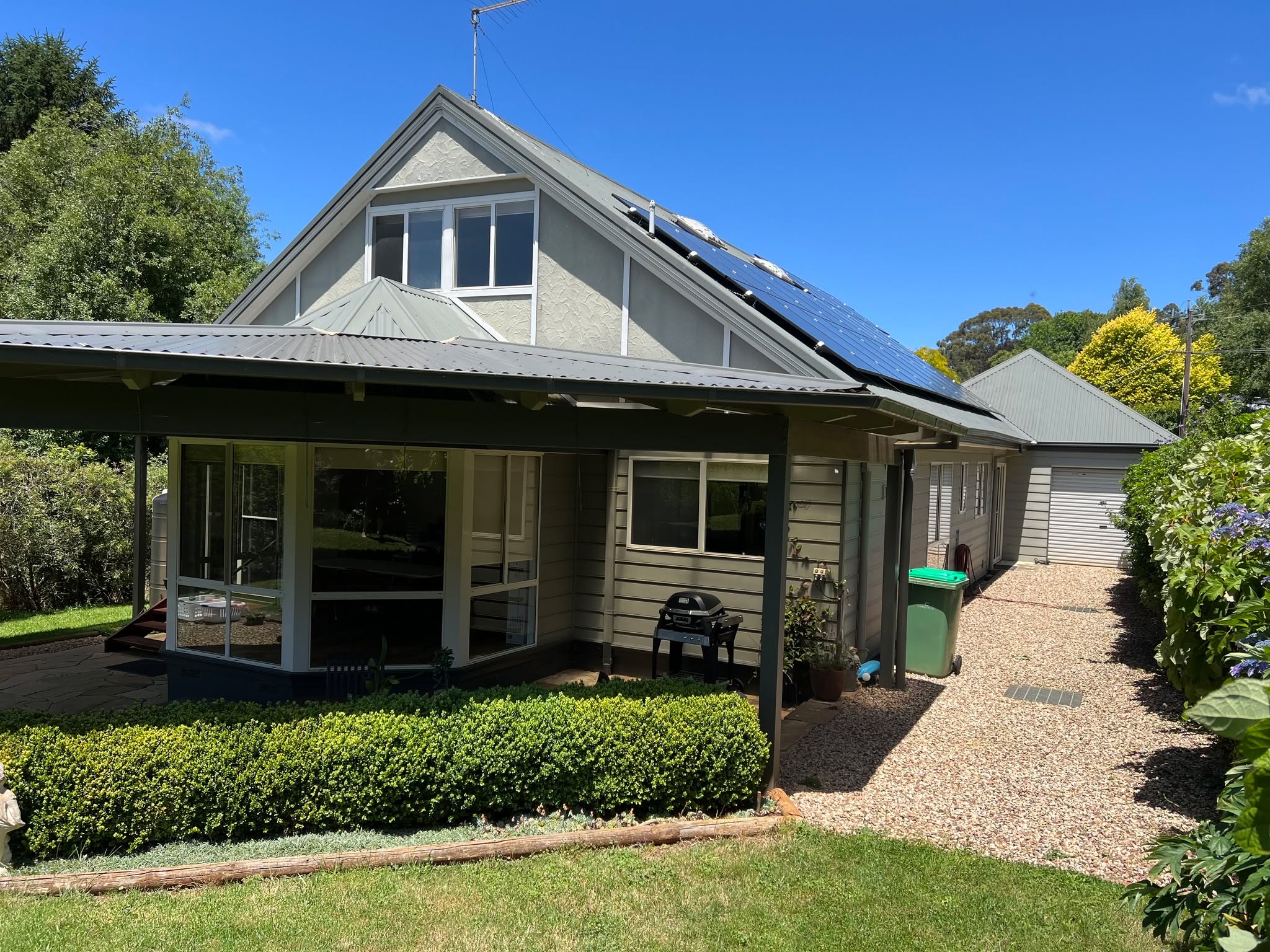
We installed solar and battery when we moved into our house (Emerald, Victoria) about two years ago. We already had an EV (electric car). This week, we finally got around to replacing our gas hot water with an electric heat pump. Next month we’re replacing our gas ducted heating with a multi head split air conditioning system.
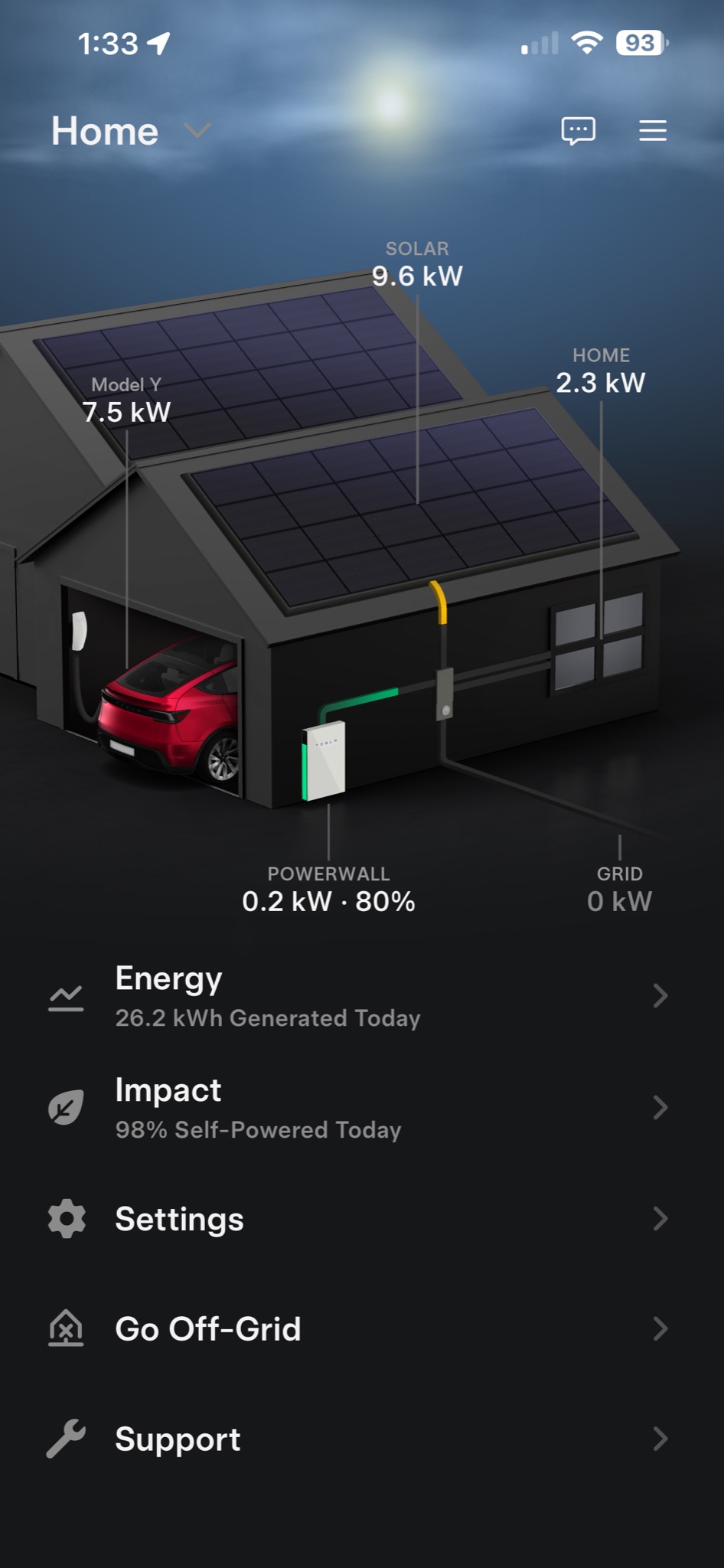
Overall, our solar and battery provide more electricity than we use. We’re also connected to the electricity grid so we can import when we need more, or export when we have a surplus.
We aim to produce all the power that we need. On the rare times that we import electricity from the grid, our retailer bills us. More often, we export our surplus electricity to the grid, for which they give us a credit. Overall, we have more credit than debits, so we don’t have to pay anything. All this depends on your electricity plan, which I’ll discuss in a separate post.
The distributor (such as AusNet or AusGrid) limits the solar system to 10kW, for a house with single phase connection (which is the usual). If you have a three phase connection, you can get more. They also limit the maximum power you can export to the grid. When we first connected, we were limited to 1.5kW, but that was later increased to 5kW.
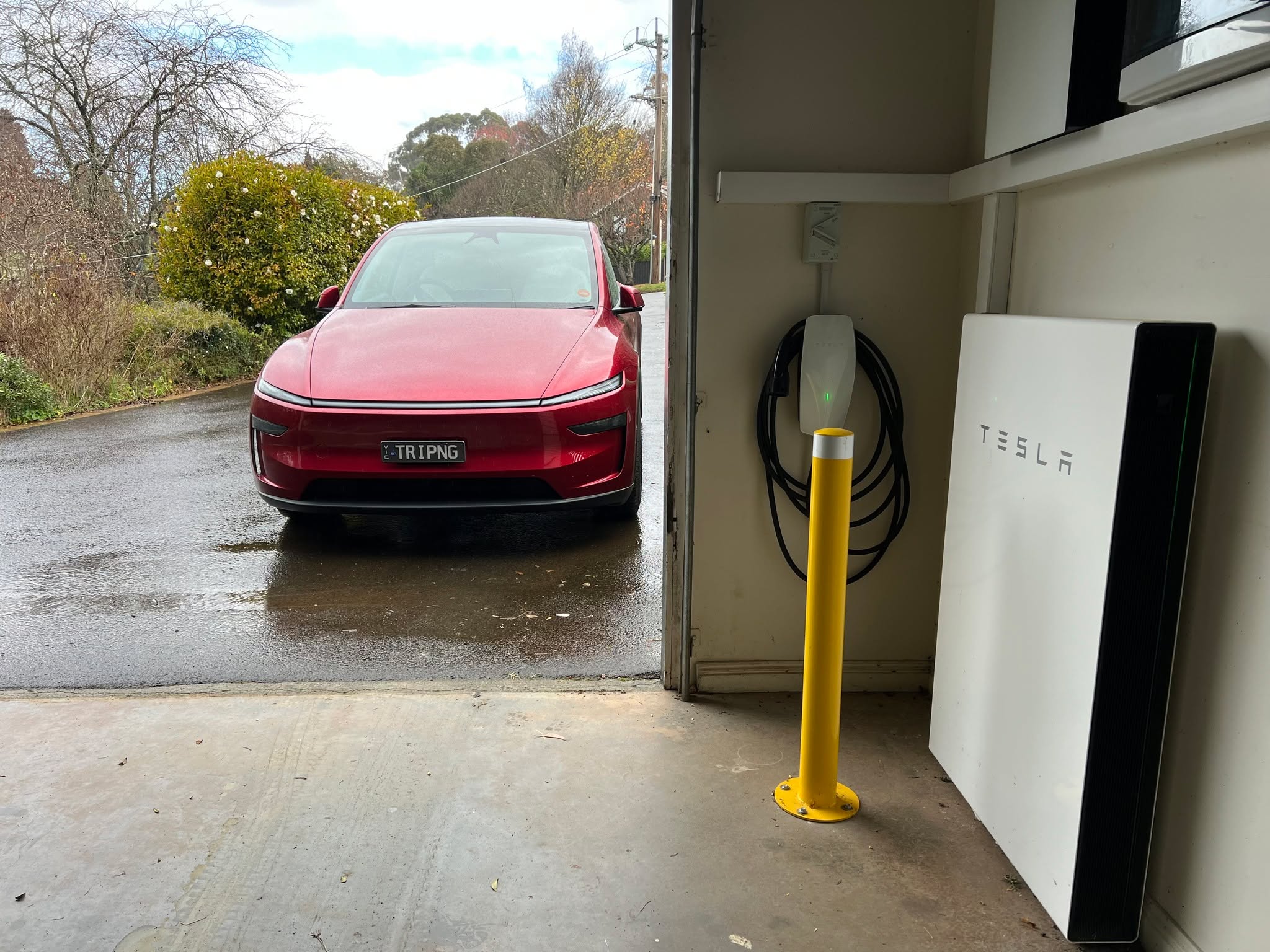
We have a 10kW solar system, and a 13.5kWh battery. We power all our appliances, air conditioning, heat pump hot water, and our EV (electric car). Overall, we produce more electricity than we can use. Like most systems, our peak usage is usually in the evenings, but peak solar production is in the middle of the day. Having a battery to save the energy from the day to use in the evening avoids us having to pay for expensive electricity. Our car also typically charges whenever there is surplus solar, such as in the middle of the day.
Nowadays with the government battery 30% rebate, it’s worth getting a bigger battery, like 20 to 40kWh. Just make sure that the installer guarantees that it does all you want it to do (which I’ll list in a separate post).
Please ask any questions (here as comments)and we’ll try to answer. Or others wiser than us will answer.
Coming up:
What size solar system should I get?:
https://www.facebook.com/share/p/1Gf9ATACkB/
Heat pump installation:
https://www.facebook.com/share/p/1aETwV665n/
Should I buy a battery?
What does kW and kWh mean and why should I care?
How do I compare quotes?
How do I minimise electricity costs? Can I make money?
What else would you like to know?