
What to ask for, in a battery installation?
 HQ
HQ
I suggest getting your installer to agree in writing that your battery installation will include:
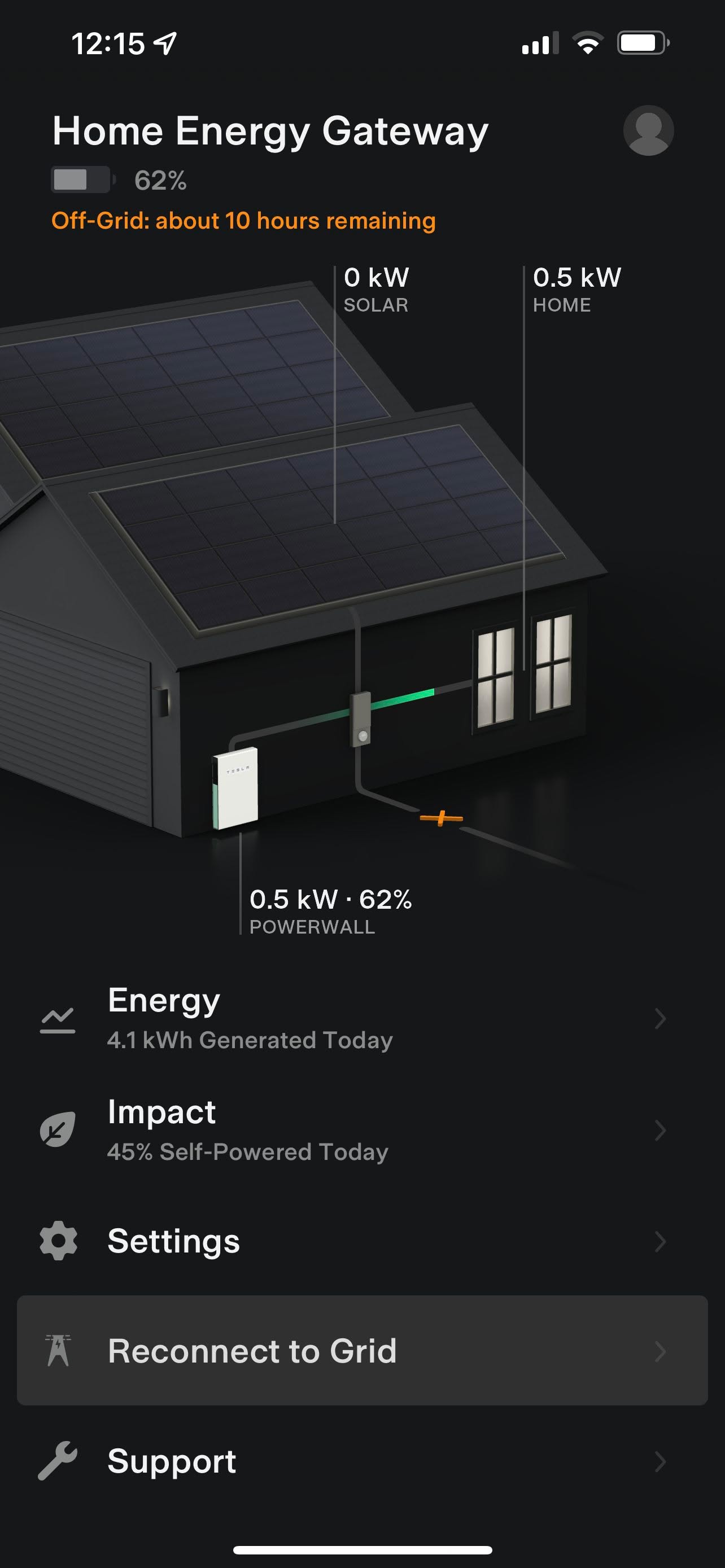
1. Remote control via an app and/or website to monitor your battery and house power.
2. During a grid outage, the battery should provide backup for everything you need.
3. During a grid outage, solar continues to provide power.
4. The ability to curtail export of power to the grid when pricing is negative.
5. Compatibility with Amber Electric, if you might want to use them as your energy retailer.
Let’s look at each in detail:
1. Using an app or website, you can:
1. Monitor power in and out of your battery, house and grid connection, instantaneous, daily and historical.
2. At any time, set your battery to a minimum charge percentage.
2. In the event of a grid outage:
1. The battery will switch over automatically. The installer should test it and show you.
2. The battery will power all of your home, up to the battery’s maximum power (which should be at least 5kW).
3. If you have three phase power, know additional limitations.
3. During a grid outage, your solar panels (if you have them) will recharge your battery.
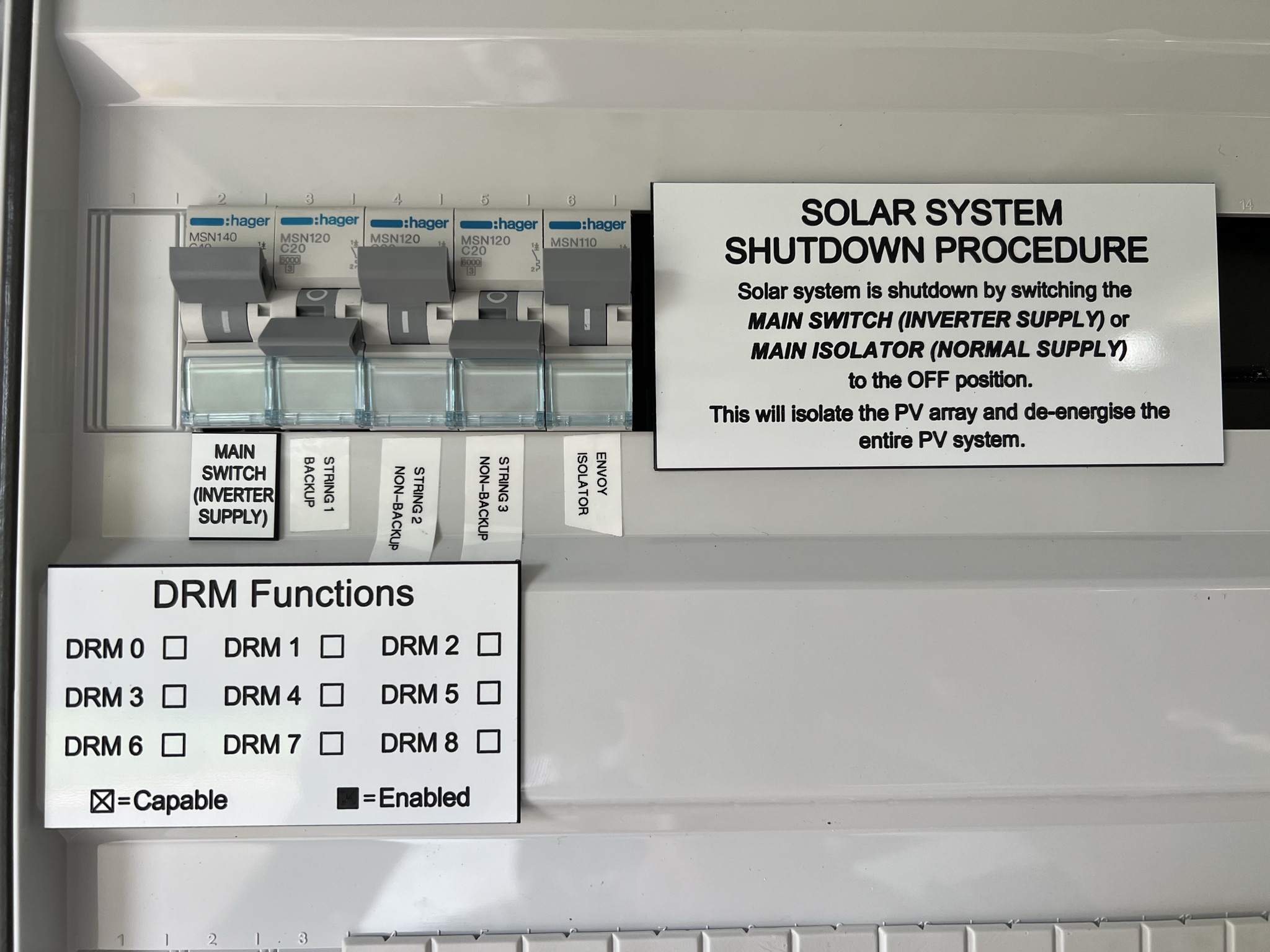
1. Your solar generation should continue to operate at the full capacity that your house and battery can absorb. For example, not restricted to just use some panels.
4. You have the ability to shut down export of power to the grid when pricing is negative.
5. Compatibility with Amber Electric:
1. You might want to use them as your energy retailer in the future.
2. You can tell the Amber app to automate your battery import and export to maximise your profits in the wholesale energy market.
Some of our experiences:
At our previous home in Saratoga, NSW, we installed a 8kW solar system and a 13.5kWh Tesla Powerwall 2 battery. The house had a three phase electrical system. During a grid outage (a “blackout”), the battery would instantly kick in, so we continued to have power. Our house was the only one in the street with lights on. It provided power to our lights and power points (including fridge and microwave).
We requested that the battery was connected to provide backup to specific things that we knew we needed to still operate during a protracted outage. These included:
1. Both house power point circuits. This powered fridge, microwave, washing machine, etc. It also powered our clothes dryer, but we would avoid using that during a blackout.
2. The split system air conditioner in the downstairs kitchen and dining area.
3. The separate garage which provided power to an underground water pump that mitigated back yard flooding.
Backup excluded:
1. The upstairs ducted air conditioning system. It was about 8kW, which was larger than the 5kW maximum ability of the battery. Even if we could connect it, it would deplete the battery too quickly. The air conditioner was a three phase system, but our battery (like most) could only backup a single phase, so backup wasn’t possible anyway.
2. The electric oven and stovetop.
3. The EV charger.
The biggest problem with our system was that, during a grid outage, our solar panels and inverter would shut down. Even with plenty of sunlight, the solar system would not power the house or recharge the battery. This meant that our backup was only good for a few hours, depending on how much charge the battery had when the outage started. In our case, this limitation was because our solar system was three phase, but our battery was only single phase. The limitation was not properly explained to us prior to installation. Even on a single phase system, some battery installations are not designed or installed to provide backup power to all needed circuits, or to facilitate continued solar production during a grid outage. So, it’s crucial to know exactly what you are getting.
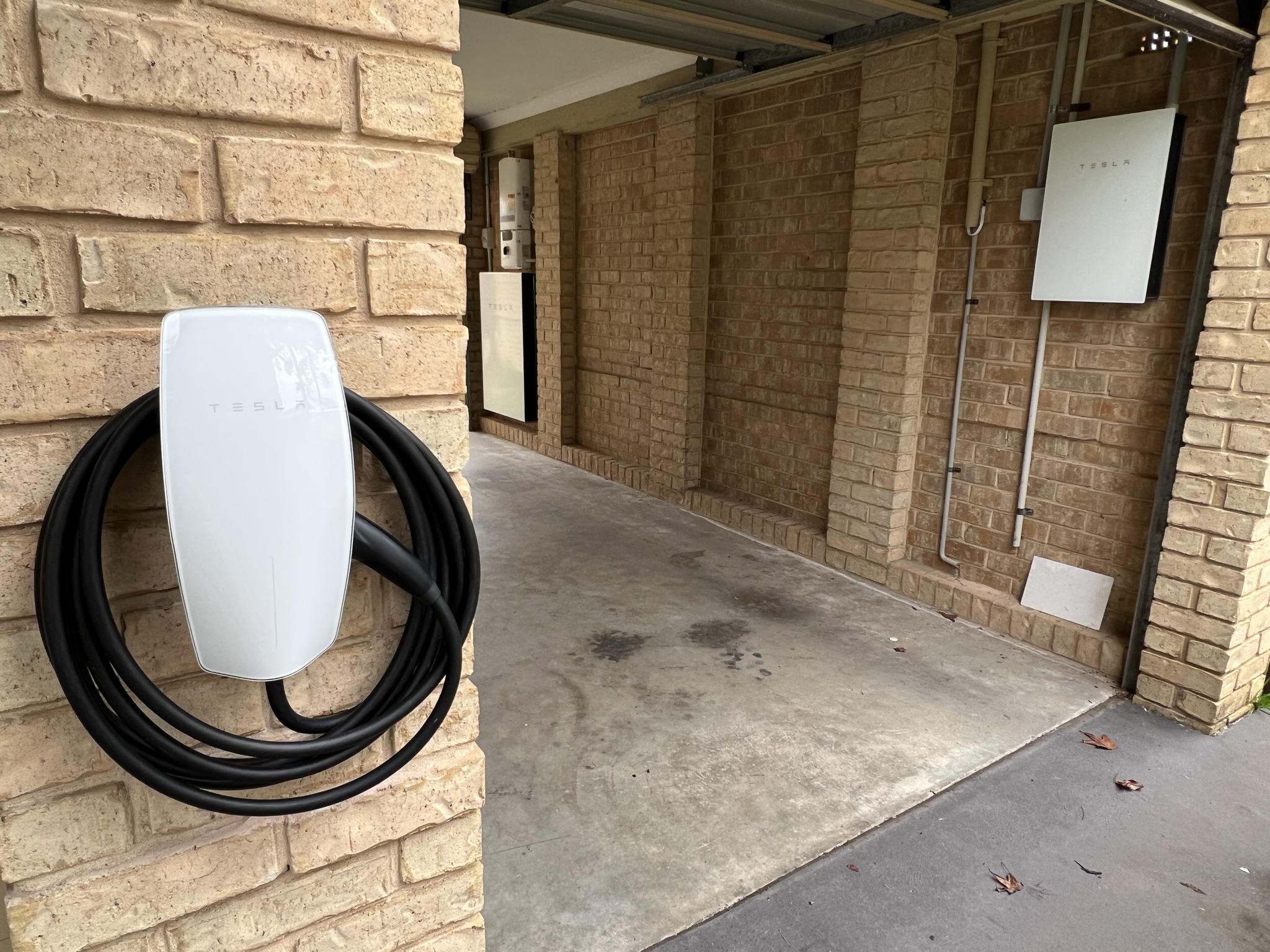
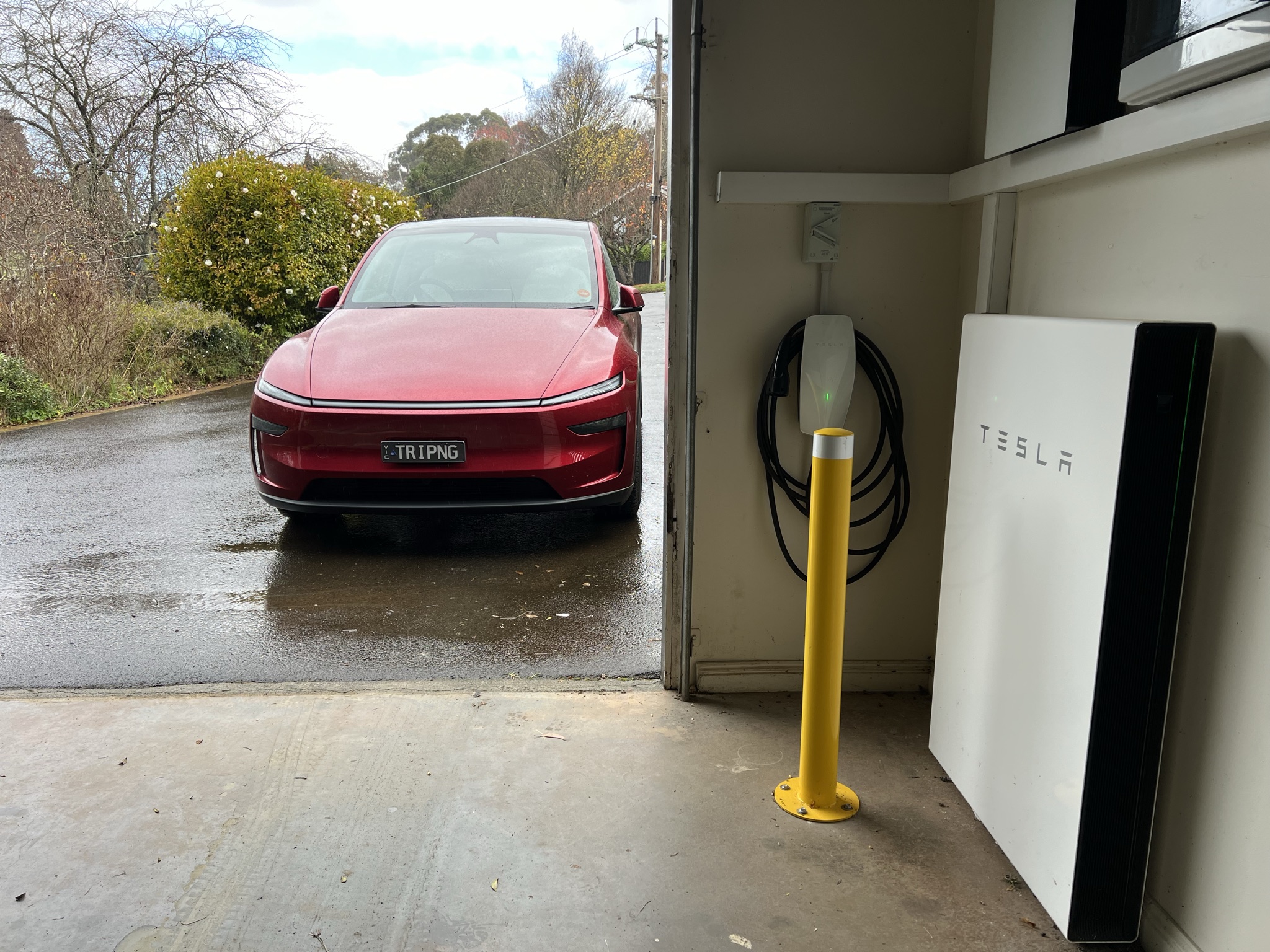
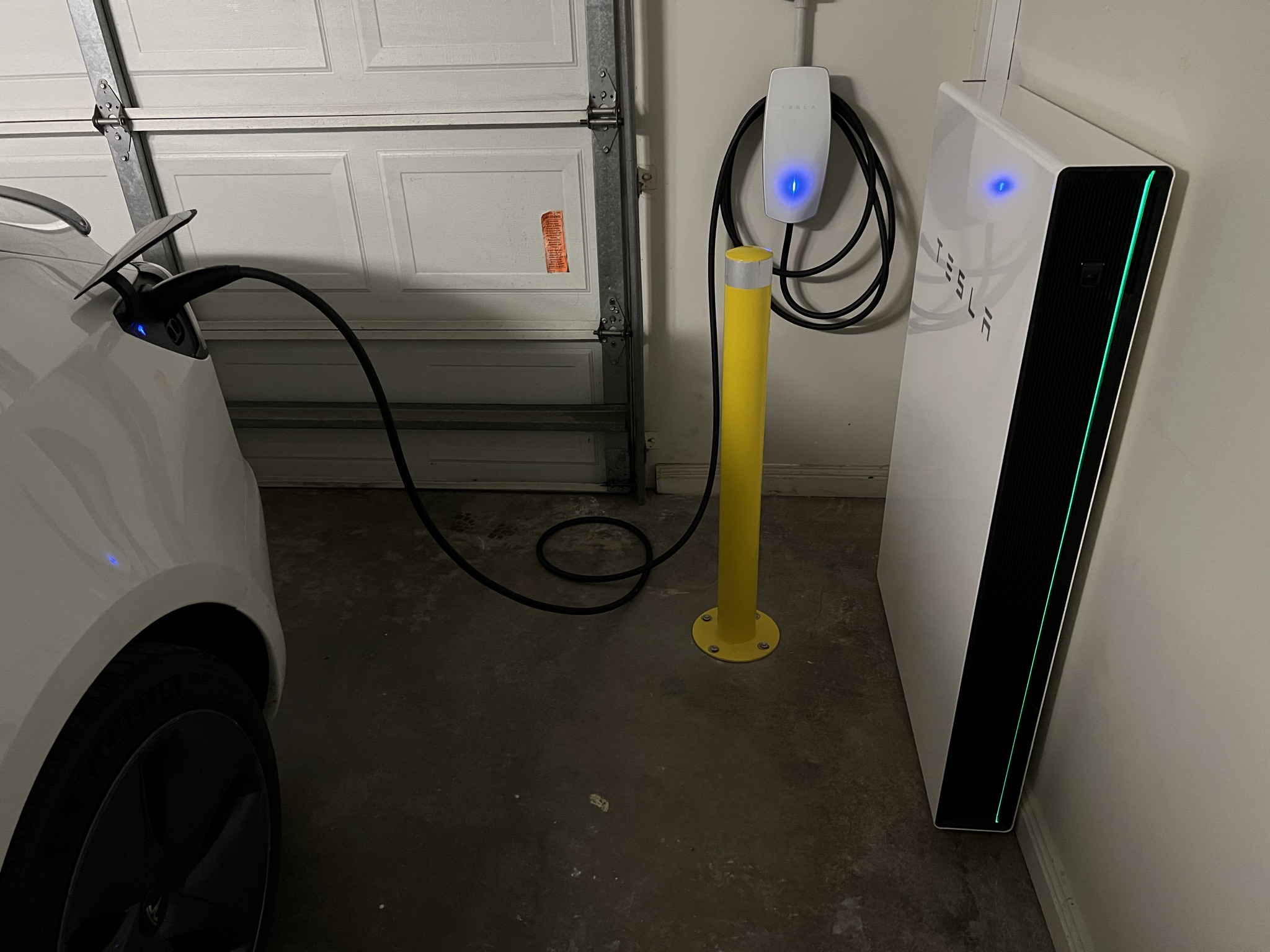
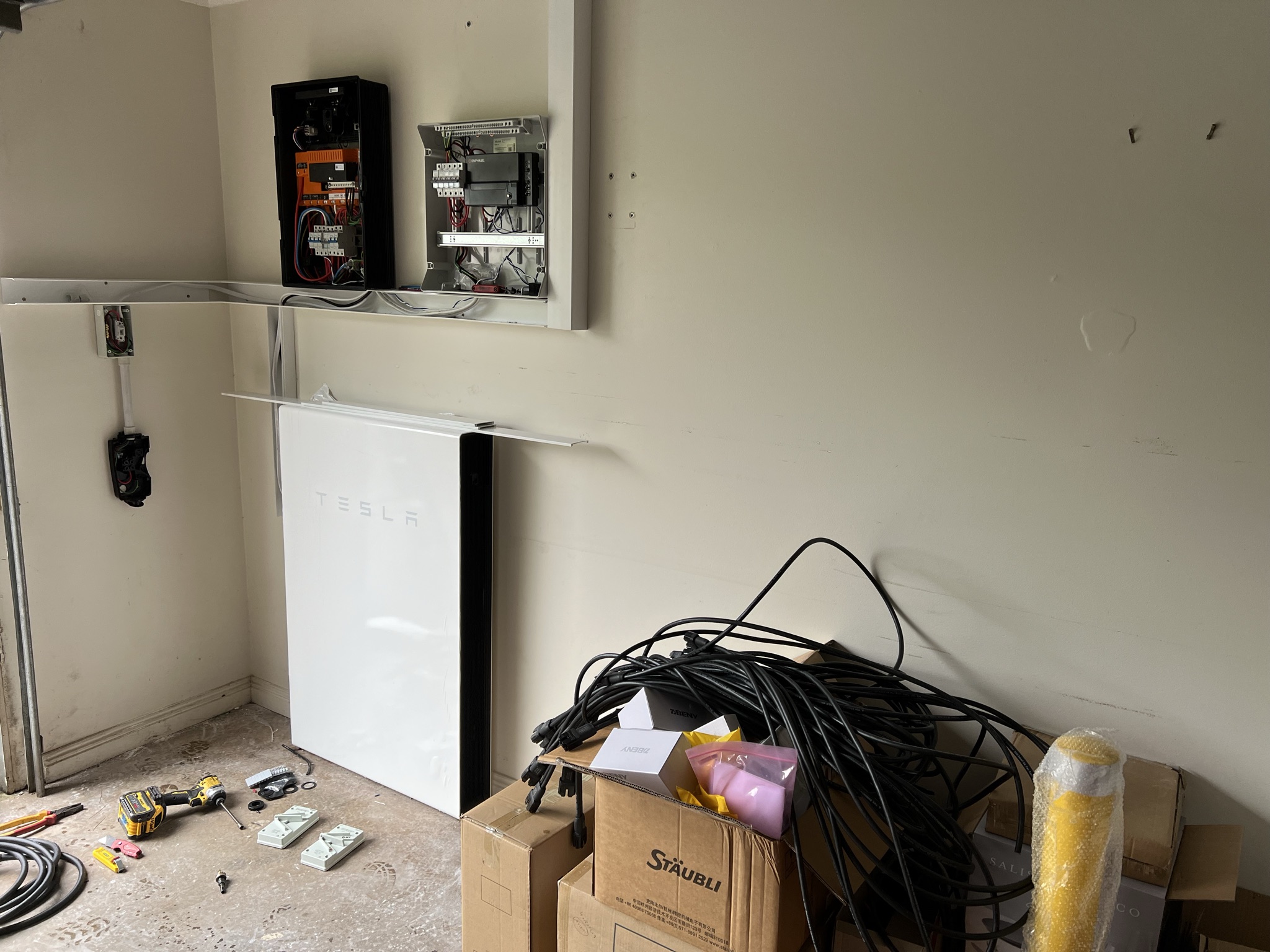
In our current house, in Emerald Victoria, we have 12kW of solar panels, a 10kW inverter and a Tesla Powerwall 2 13.5kWh battery. We have single phase power. I specifically requested that all circuits should be connected to backup. This included: all power points and lights; our split air conditioner; water pump; oven; hot water heat pump (new addition); even our EV charger.
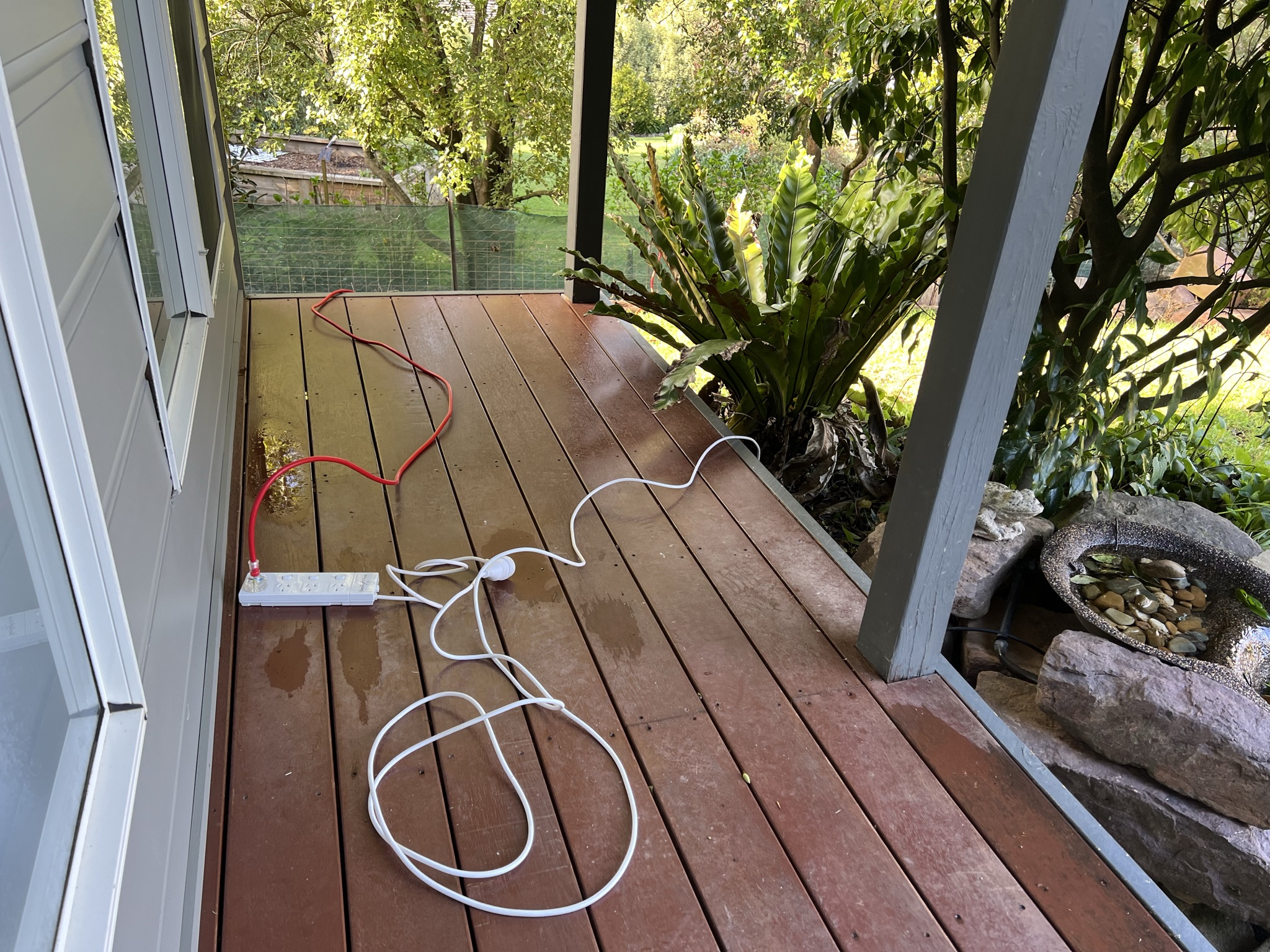
We have had several grid outages here in the Dandenong Ranges – one lasted nine days. When it first started, we were away on a road trip, but the Tesla app notified us that the grid outage was slowly draining our battery and it was not recharging from solar. We learned the hard way that we should have tested our system with an outage, immediately after installation. We hurried back home and the installer eventually located and fixed the problem. Initially, our solar system would only enable some of our solar panels during a grid outage, which limited our solar production to 4kW, instead of the maximum 9.6kW. This was the default setup to prevent overloading the battery, which can accept a maximum of 5kW. But we argued that since the solar system already curtails production to match the available consumption, this additional limit wasn’t needed. Disabling panels, in my experience, is the wrong way to limit power. For example, 4kW of panels will only produce 1kW on a cloudy day. By enabling all panels, we could power our house and car for weeks, even on cloudy days. During outages, we ran extension cords to our neighbours to run their fridges and TVs. We set up a camp fridge and power board on our porch for neighbours to recharge phones and laptops. In case you’re thinking an EV might be a liability during blackouts: our local petrol station couldn’t pump petrol for a couple of days during the outage, but we were able to continue to fuel up our EV.