
Here’s an update on our planned solar installation, in Emerald Victoria, since some have…
 HQ
HQ
…asked.
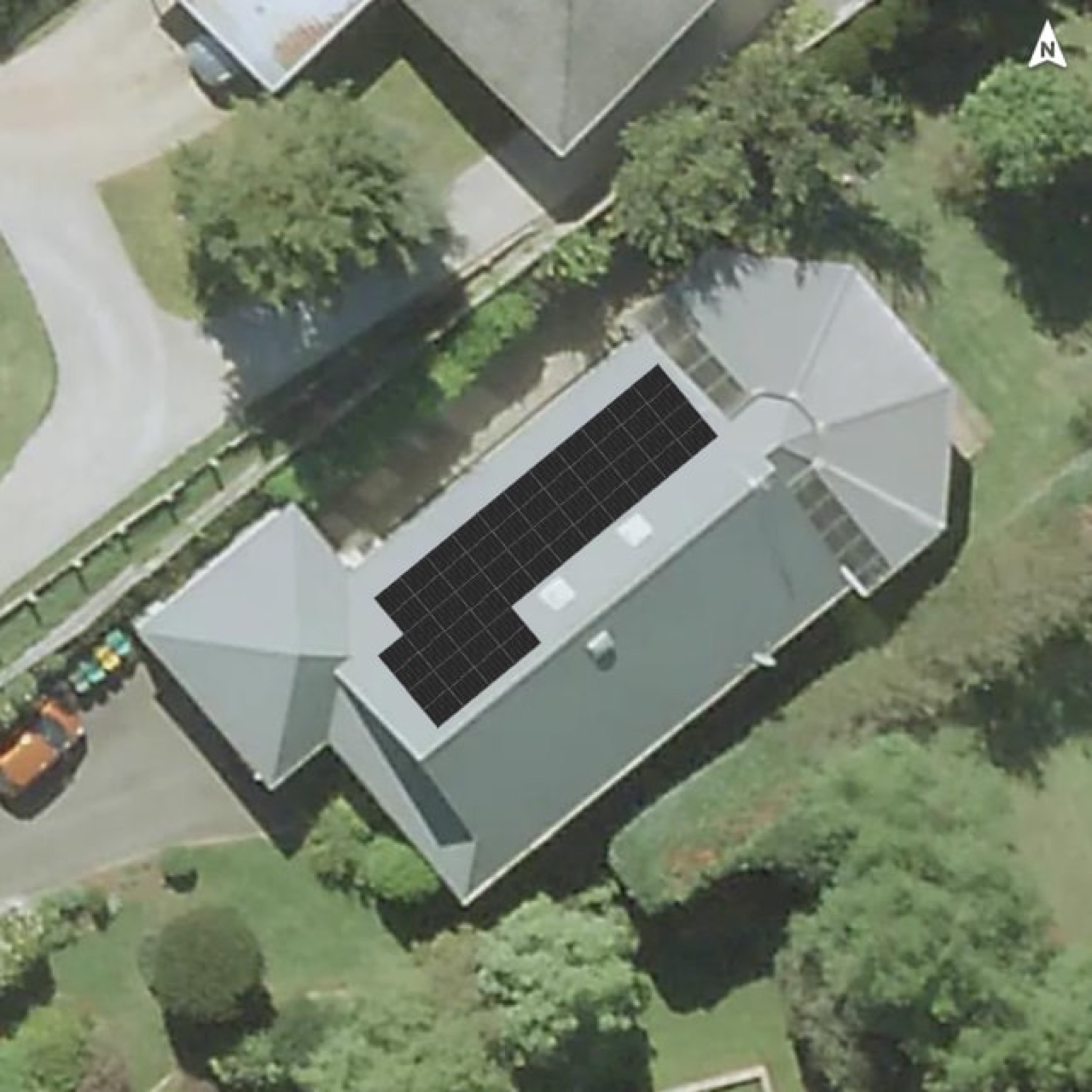
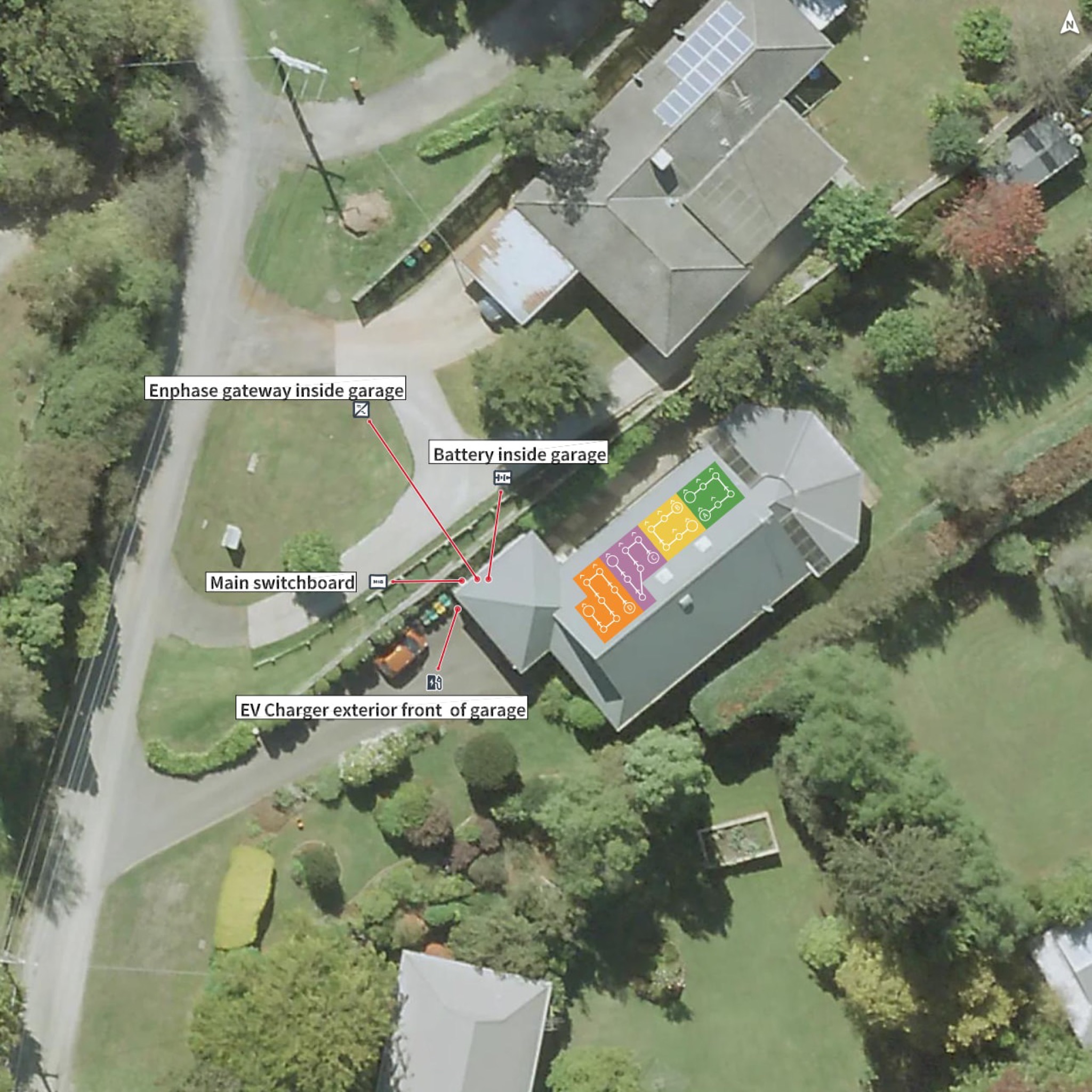
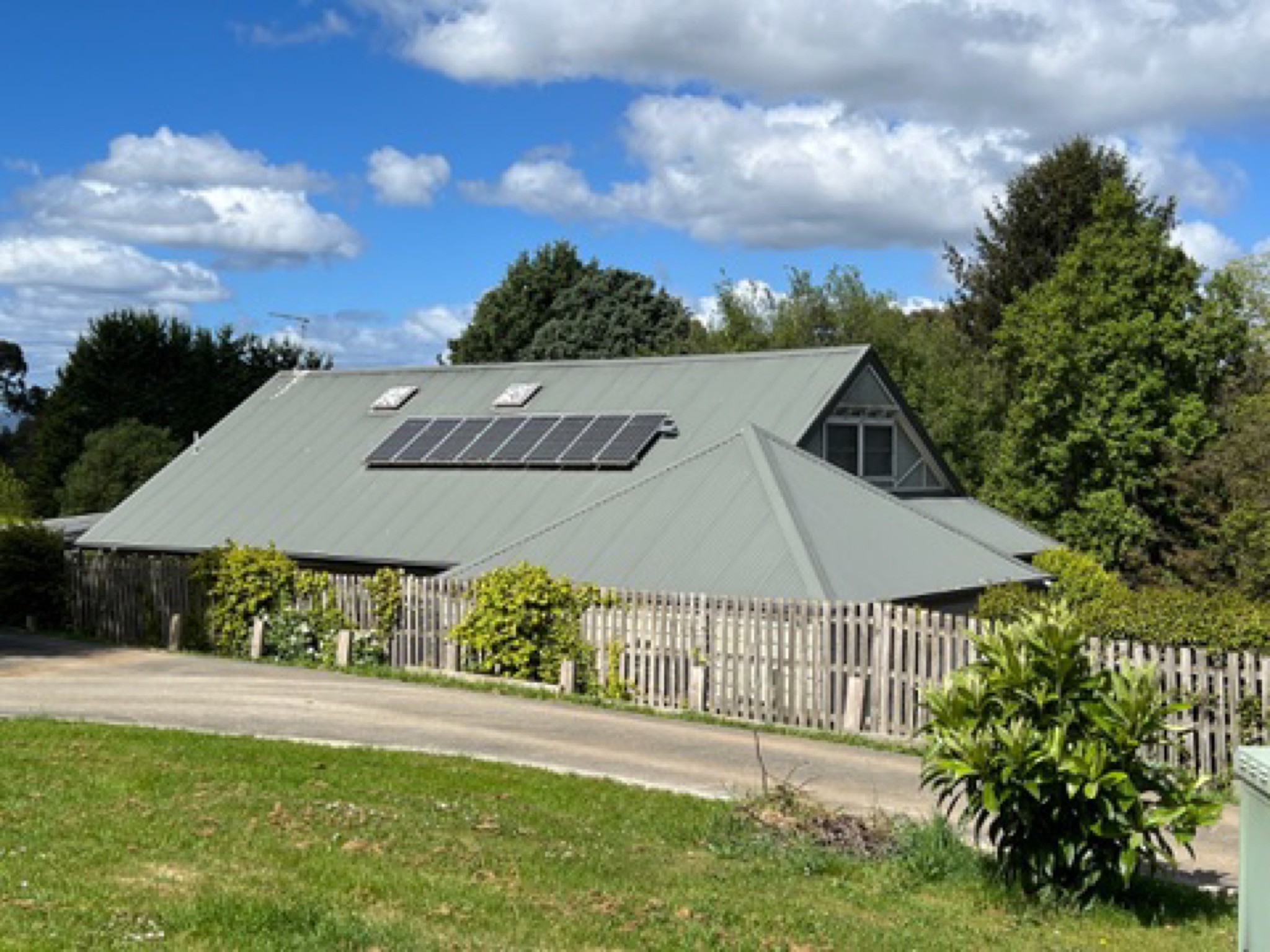
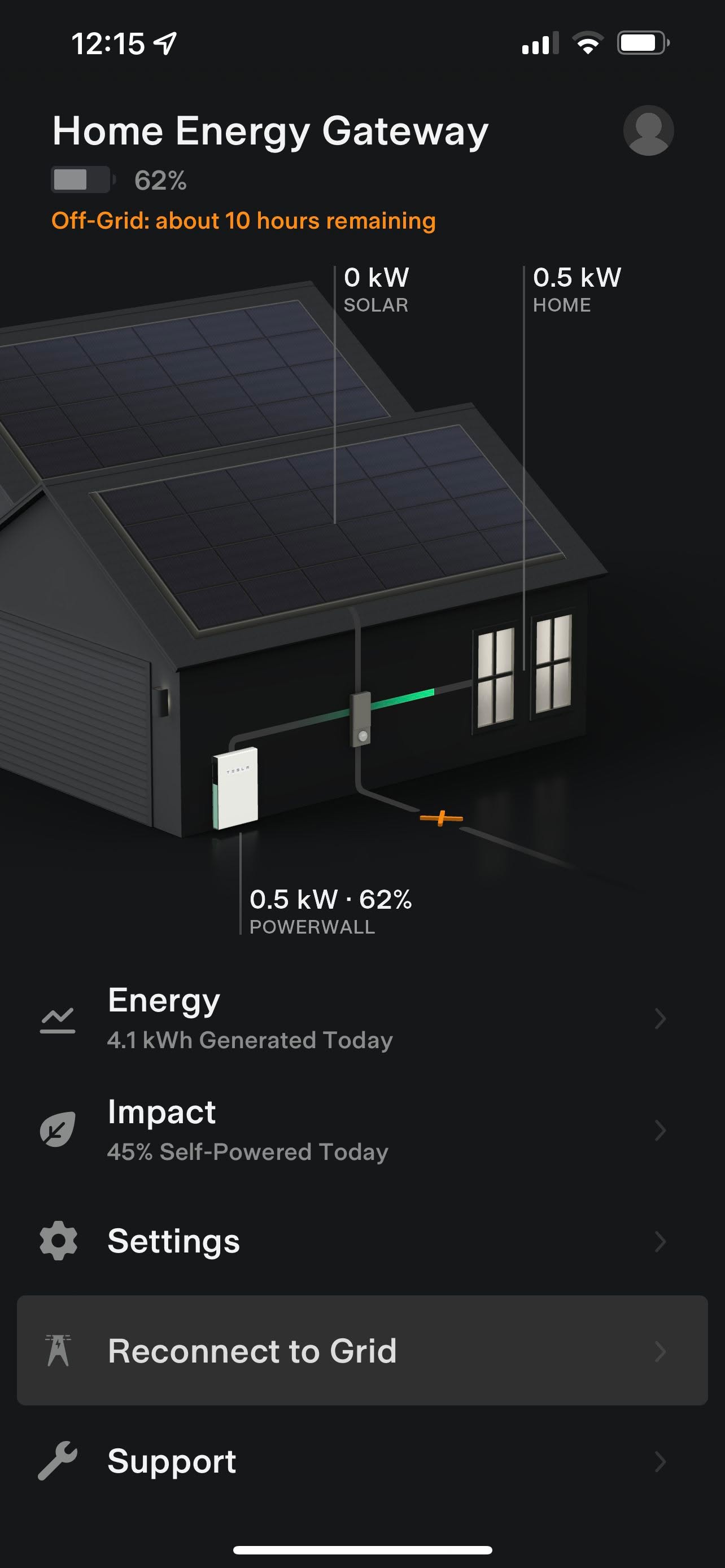
We were hoping to fill the sun facing part of our roof with solar panels. Lightning Energy has been great (Hi Andrew 👋). They put together a detailed initial proposal for us that would have given us 15kW of electricity from 34 solar panels (0.44kW each panel). The plan was to use that to charge the EV (7kW) and house battery (5kW), hot water, air conditioning etc. If/when we couldn’t use it all, we would export 5kW back to the grid.
In a disappointing turn, we learned today that AusNet has rejected the proposal and capped it at a max of 11.9kW solar panels and 1.5kW export. So, our installation will be restricted to match 😢.
The 11.9kW max solar production would only happen in full sun, in the sunny months of the year. On cloudy days, or in the middle of winter, solar panels only generate a fraction of the max power. For example, we might only generate 50% or 6kW on a sunny day in winter. The main disappointment with the AusNet system limit is that it reduces our capacity to be self sufficient and actually take stress off the grid. It doesn’t make sense to me.
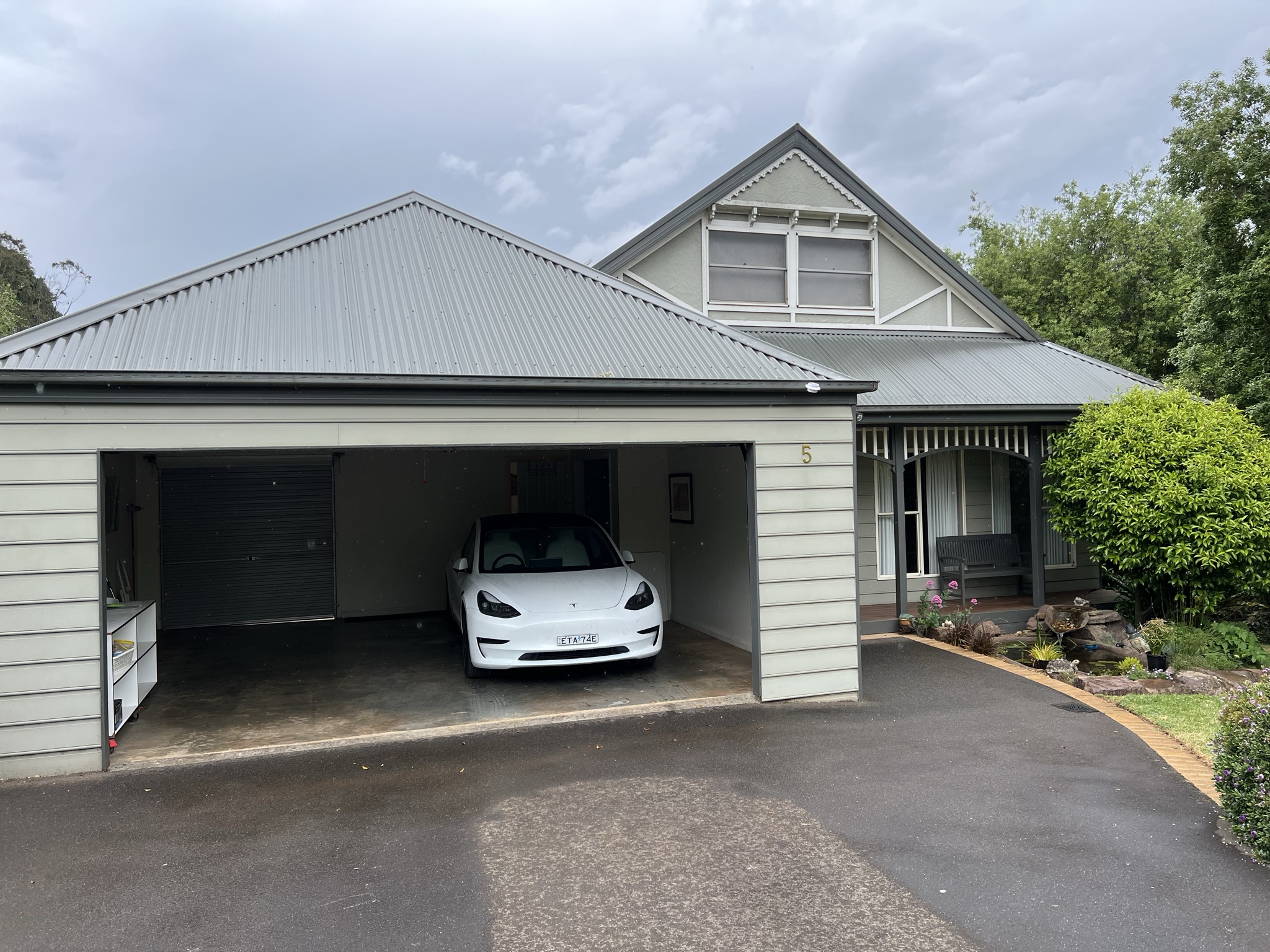
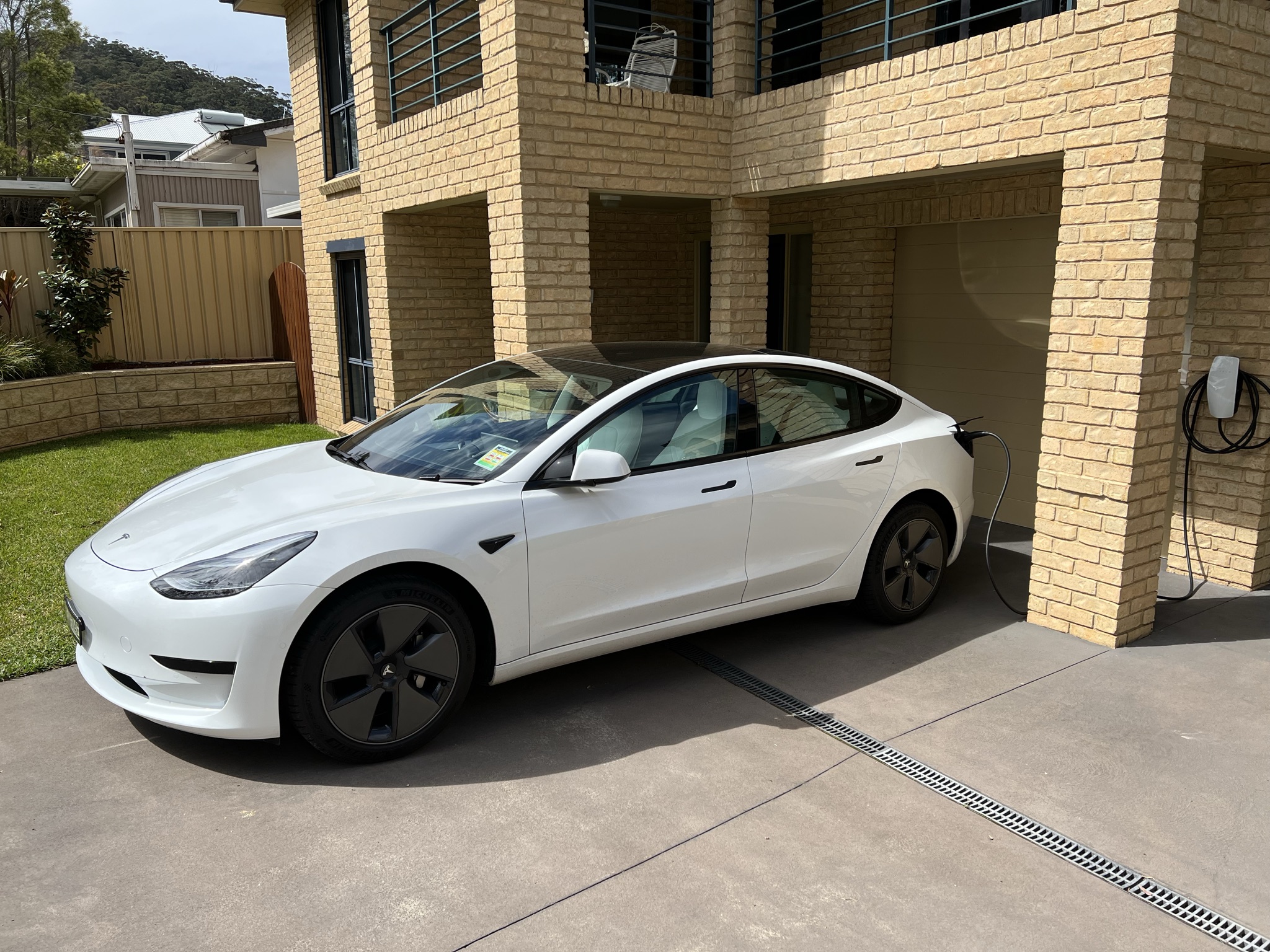
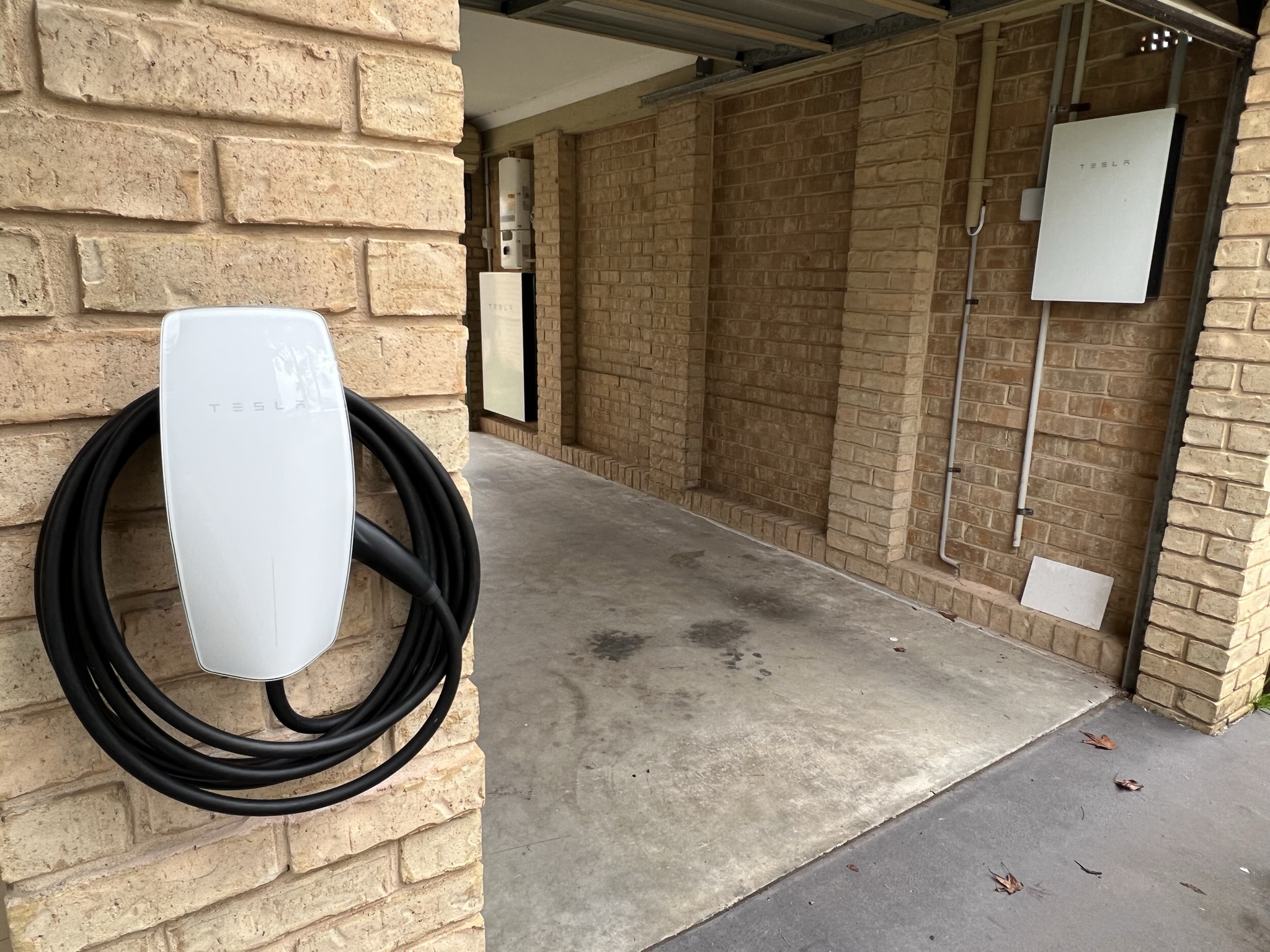
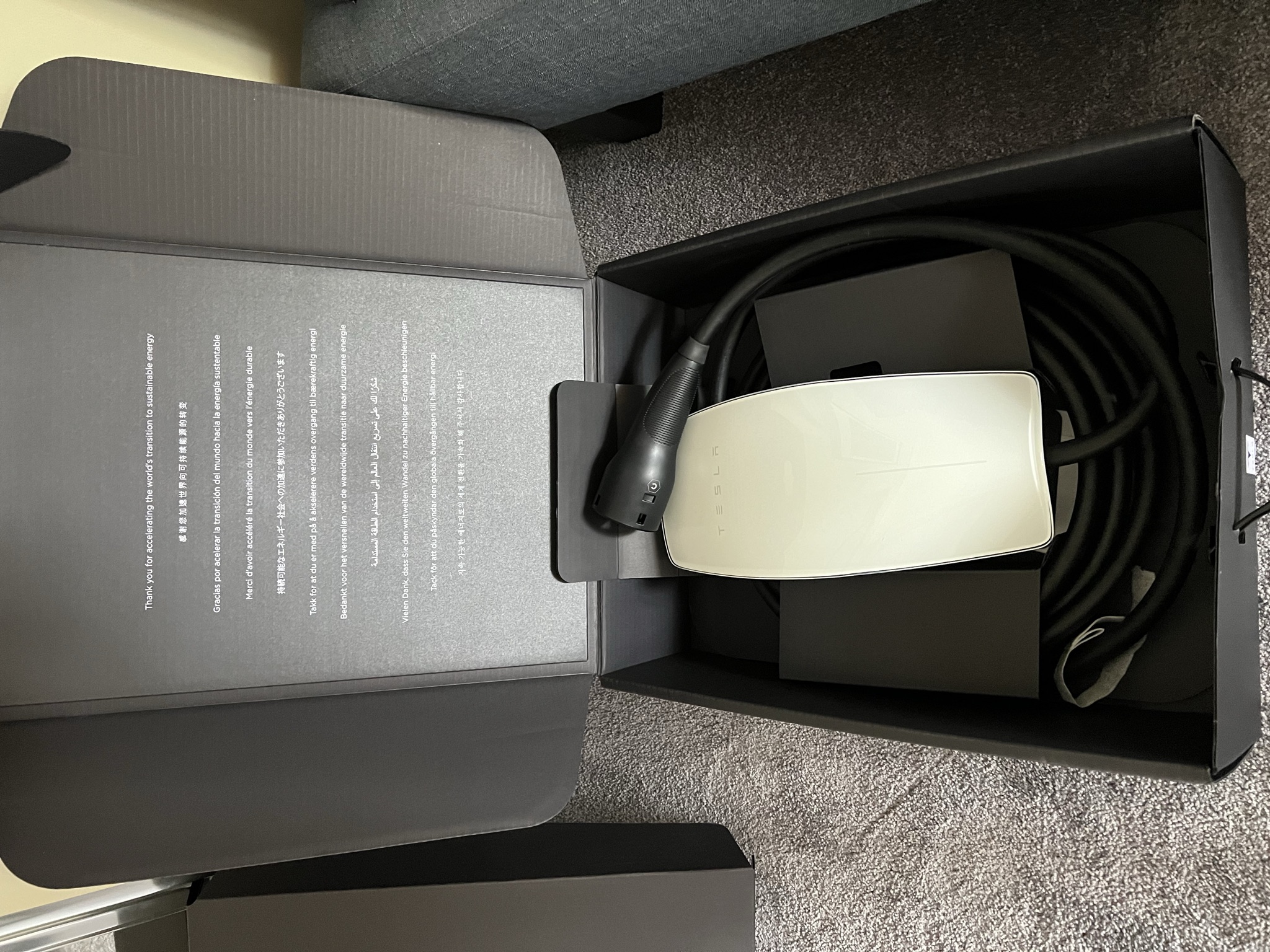
Our old Tesla EV wall charger will be coming with the removalist in a couple of weeks, just in time for installation at our new home. I’m looking forward to the Tesla charger, battery and car working together to ensure that we are “driving on sunshine” – using only solar power to run the car. Back at our previous home in Saratoga NSW, a year ago, we had a similar setup, but “driving on sunshine” is a new option Tesla has added to the software since then. We previously used Charge HQ for a similar result.
Charging:
Once we get the solar panels installed, on sunny days it will generate up to:
• 11.88kW (that’s the speed or instantaneous power)
• Probably up to 65kWh total per day (that’s the energy)
On cloudy or winter days, I’m guessing we’ll be lucky to get 40% of that.
Our EV charger, provides a maximum power of 7.5kW (240V x 32A). Our EV battery when full has 60kWh of energy. We would typically only do 100km per day, which takes about a quarter of the car’s battery or 15kWh.